
France drives EU way in Nairobi; Tough report warns Africa will lose control of AI future
Weekly News Digest...

Good morning, and welcome to this week’s issue of Africa AI News – Weekly News Digest.
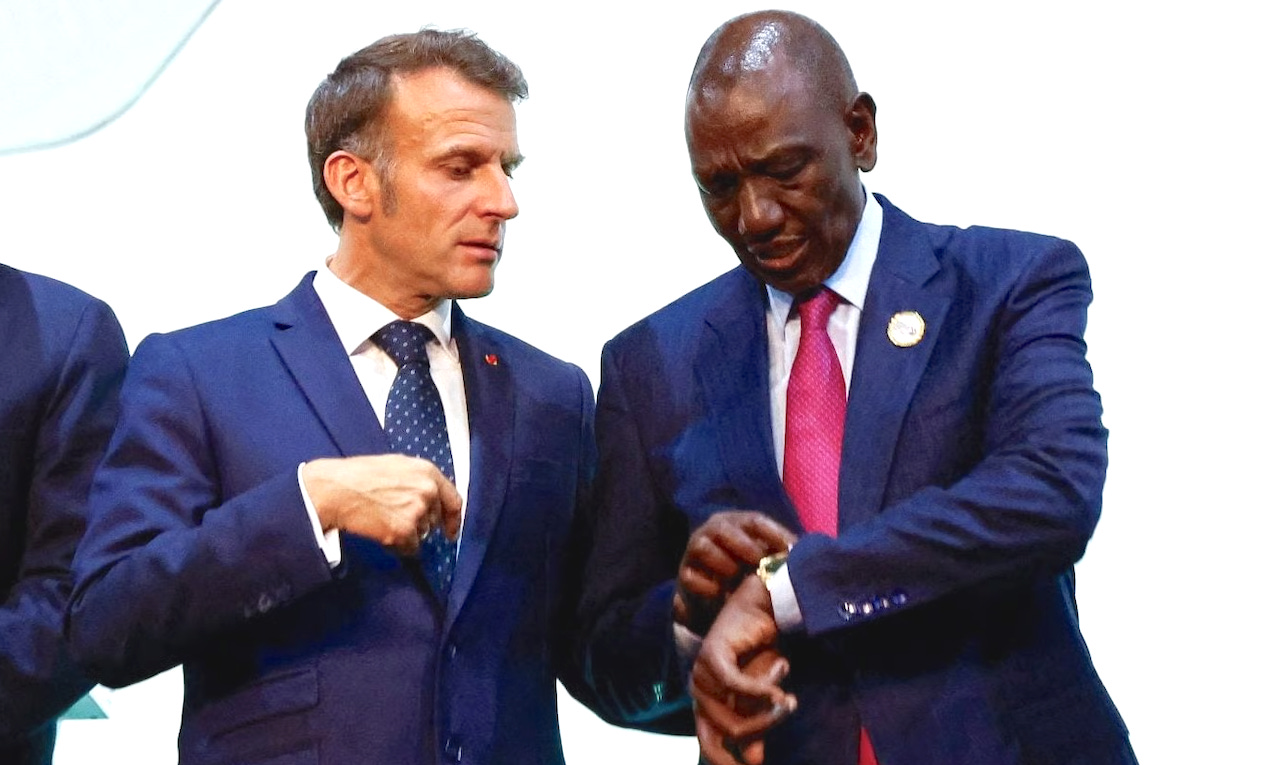
All eyes were on the French biz charm offensive: the Africa Forward Summit in Nairobi. Emmanuel Macron was out to glad-hand the rich and powerful of our continent, urgently trying to rebuild relationships with African countries that are facing a three-way love-fest from the EU (a dollar short and a day late) , US (half-heartedly and transactional) and China (charming and threatening in equal measure).
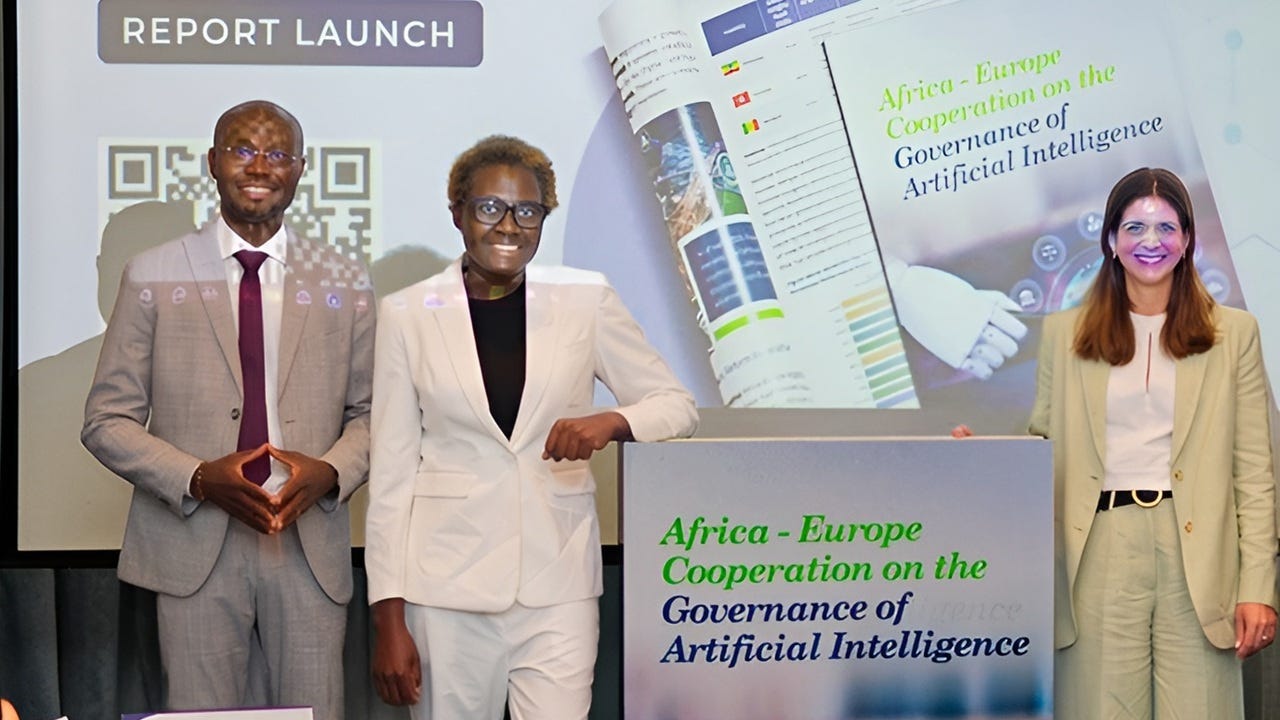
But AfricaAINews.com was mostly looking at a hard-hitting report by The Lawyers Hub (deep dive here).
It’s a very, very good report (download here) … and should be compulsory reading for anyone working on AI policy in Africa. You hearing this, Prof Ben Rosman?
Key take-homes:
“Global AI governance is not primarily a technical coordination problem; it is a political economy contest over who sets the rules that determine which AI systems can be sold, deployed, and profited from across the world.”
“Strategies are drafted faster than the institutions to implement them. Data protection authorities are mandated to enforce against multinationals … with budgets that would not fund a single European compliance department.”
The EU AI Act poses specific risks for African firms and governments. Compliance costs for high-risk AI systems are estimated at €193,000 to €330,000 in initial costs, rising above €400,000 with annual maintenance.
And in other news…. there is more to the story of the plug being pulled on the billion-dollar Kenyan datacentre project. Reportedly Microsoft and G42 wanted guaranteed government backed payments from Kenya. This is starting to make sense, as a year ago there were already concerns raised about technical challenges, so why was the plug pulled only now? It’s not off the cards, just being “restructured” (read: downscaled).
On with this week’s issue.
/Roger
Policy
Africa must co-govern AI or become a dependent
#Africa #policy — African legal experts are urging Africa and Europe to jointly govern AI, arguing that current global frameworks risk sidelining African priorities. The Africa–Europe AI Governance Study, launched at the Africa Forward Summit in Nairobi by The Lawyers Hub, calls for shared rule-making, stronger African representation and investment in regulatory capacity as governments accelerate AI adoption. (Africa AI News)
South Africa appoints new AI policy panel
#SouthAfrica #policy — Communications and Digital Technologies Minister Solly Malatsi has appointed Prof Benjamin Rosman of the University of the Witwatersrand to lead a panel drafting SA’s revised national AI policy. An earlier draft was withdrawn, after an appendix of references was found to contain fictitious references. Rosman, heads the Wits Machine Intelligence and Neural Discovery (MIND) Institute, will be joined by Prof Vukosi Marivate, Dr Tshepo Feela, Dr Jabu Mtsweni, Prof Alison Gillwald, Advocate Lufuno Tshikalange and Heather Irvine. (Wits University)
Kenya and Rwanda deepen digital cooperation
#Africa #policy — Kenya and Rwanda are strengthening collaboration on digital economy initiatives, with talks centred on AI, data centres, digital infrastructure and talent development. Ministers William Kabogo Gitau and Paula Ingabire agreed to accelerate existing frameworks and regional coordination through platforms including Connected Africa and Smart Africa. (TechAfrica News)
Ethiopia and Liberia sign AI cooperation deals
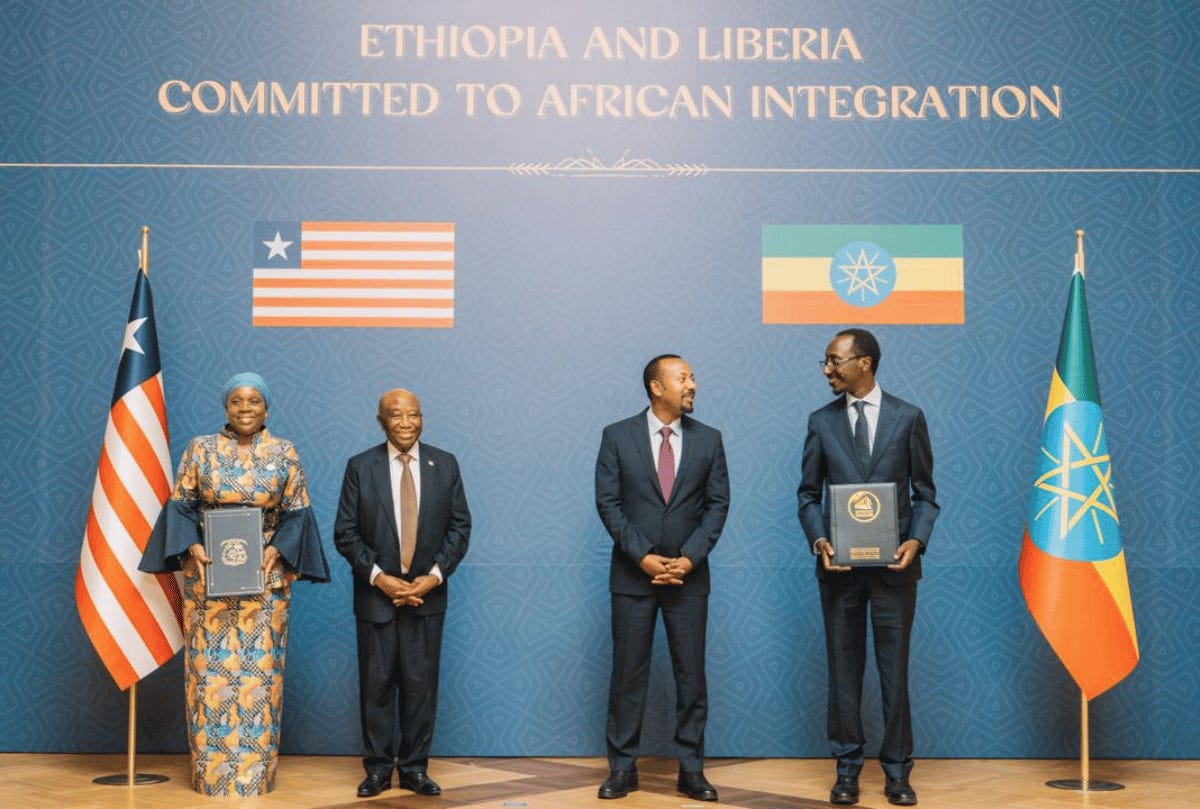
#Africa #education #policy — Ethiopia and Liberia have signed two memoranda of understanding covering education, AI, science and technology following talks between Prime Minister Abiy Ahmed and President Joseph Nyuma Boakai. The agreements are intended to deepen bilateral cooperation, support knowledge exchange and strengthen regional integration. (TechAfrica News)
Algeria seeks AI collaboration with Russia
#Algeria #policy — Algeria has signalled readiness to develop AI projects with Russia as the two countries explore deeper technology cooperation. Algerian officials said collaboration could support national ambitions in emerging technologies. (Afrinz)
Burundi adopts six-pillar AI strategy
#Burundi #policy — Burundi has approved a national AI strategy for 2025-2030 built around six pillars, including governance, infrastructure and human capital development. Developed with support from the United Nations Development Programme, the roadmap aims to modernise public services, support economic growth and launch pilot projects in health and agriculture. (We Are Tech)
Applications
Intella launches Swahili AI voice services
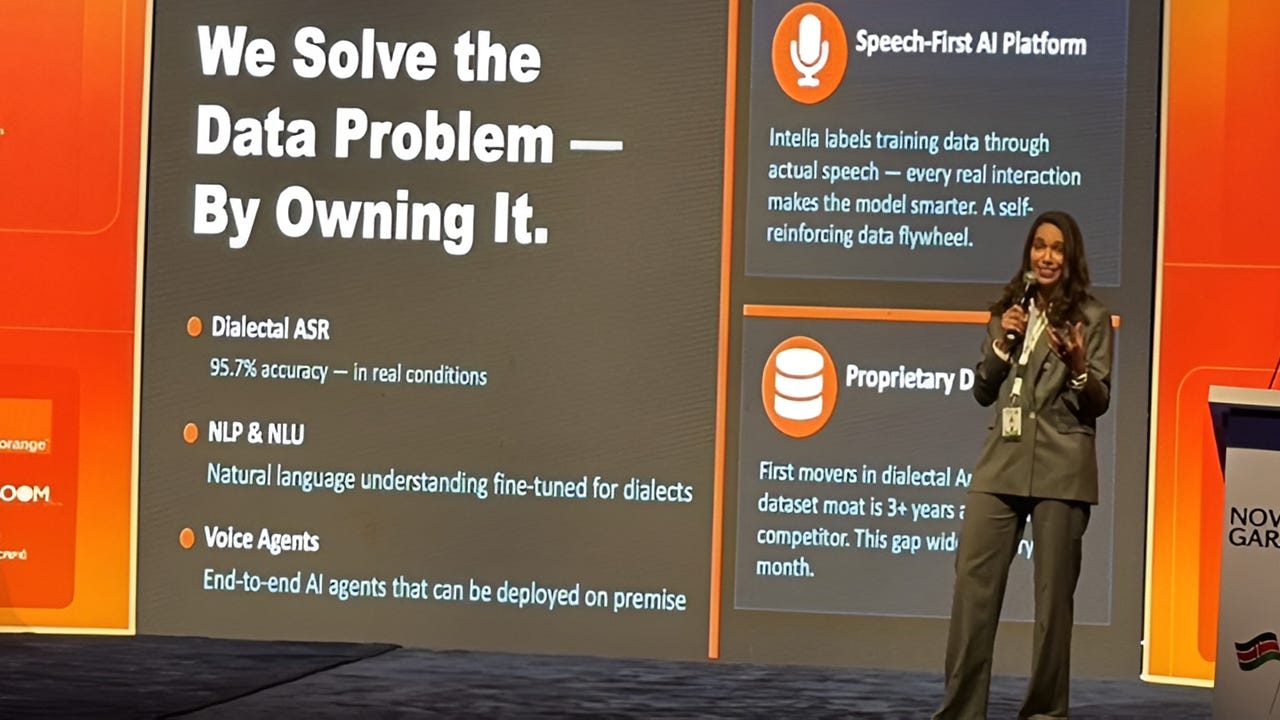
#Kenya #applications — Riyadh- and Cairo-based speech intelligence company Intella has launched Swahili language services for its Ziila AI assistant, expanding voice capabilities for East African users. Announced at the Africa Forward Summit in Nairobi, the move aims to improve local-language access to conversational systems, with Intella positioning speech tools for broader enterprise and consumer use. (Africa AI News)
Ethiopian dev wins global Amazon AI prize for AI tutoring
#Ethiopia #education #competitions — Ethiopian developer Natnael Getenew Zeleke has won the innovation award in Amazon Web Services’ global AWS AIdeas competition, beating more than 10,000 participants from 115 countries with Ivy, an offline AI tutoring platform. Designed for low-connectivity environments, the smartphone-based system supports Amharic and English and aims to expand affordable digital learning access. (Addis Insight)

Tanzania deploys AI for disaster response
#Tanzania #applications — Tanzania is deploying AI-powered systems to modernise disaster management, aiming to improve forecasting, emergency preparedness and response coordination. The technology is expected to strengthen authorities’ ability to predict and manage climate-related risks, marking a significant step in the country’s adoption of advanced digital tools for public safety. (Streamline Feed)
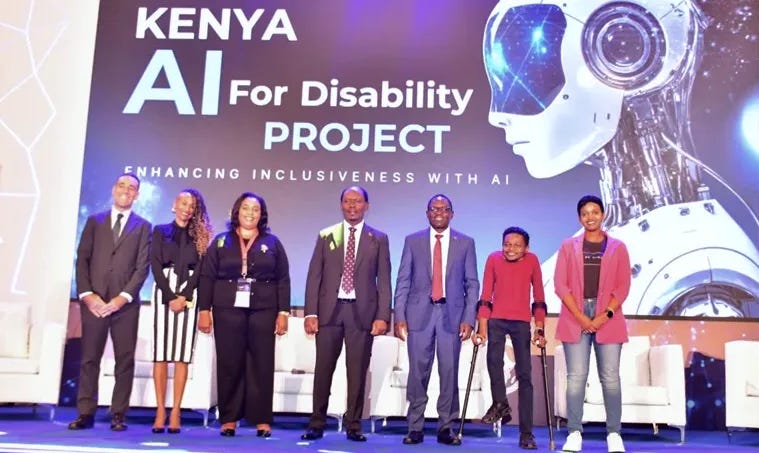
Kenya launches AI disability initiative
#Kenya #applications #education — Kenya has launched the AI for Disability Project with partners including Huawei, the Kenya Institute for Special Education and Qhala to develop assistive technologies for persons with disabilities. Announced at Connected Africa Summit 2026, the initiative seeks to expand digital inclusion through AI-driven hardware, software and skills development. (Huawei)
Tunisia expands AI tools for water management
#Tunisia #applications — The Food and Agriculture Organization of the United Nations (FAO) has supported Tunisia in strengthening geospatial platforms and AI tools for sustainable water and oasis management. Technical workshops focused on remote sensing, geospatial data and the MERWAT platform to improve natural resource planning and agricultural resilience across North Africa. (FAO)
Funding
Microsoft Kenya data centre plans stall — because of money worries
#Kenya #datacentre #policy — Microsoft and UAE-based G42 have delayed a planned $1-billion geothermal-powered data centre in Kenya after disagreements over payment guarantees from the Kenyan government. The facility was a move by G42 to become a player in developing markets outside the UAE. Key figures say it’s not dead, but may be “restructured” as Kenya weighs major finance, electricity and infrastructure demands. (Yahoo Finance)
Mauritanian HR tech firm secures $7M funding for global growth
#Mauritania #applications #HR — HRFlow.ai (Mauritania founded, now Paris based) is going global with its platform using AI to streamline talent matching and hiring workflows, with over 1,000 clients already using its system, processing millions of employment-related decisions through its artificial intelligence systems. The round is led by 115K, La Banque Postale’s VC fund, and EmergingTech Ventures (EmTech), and adds to the $2.3-million secured in 2018. (Yahoo Finance)
[ This newsletter was human walked and AI run ]